[ad_1]
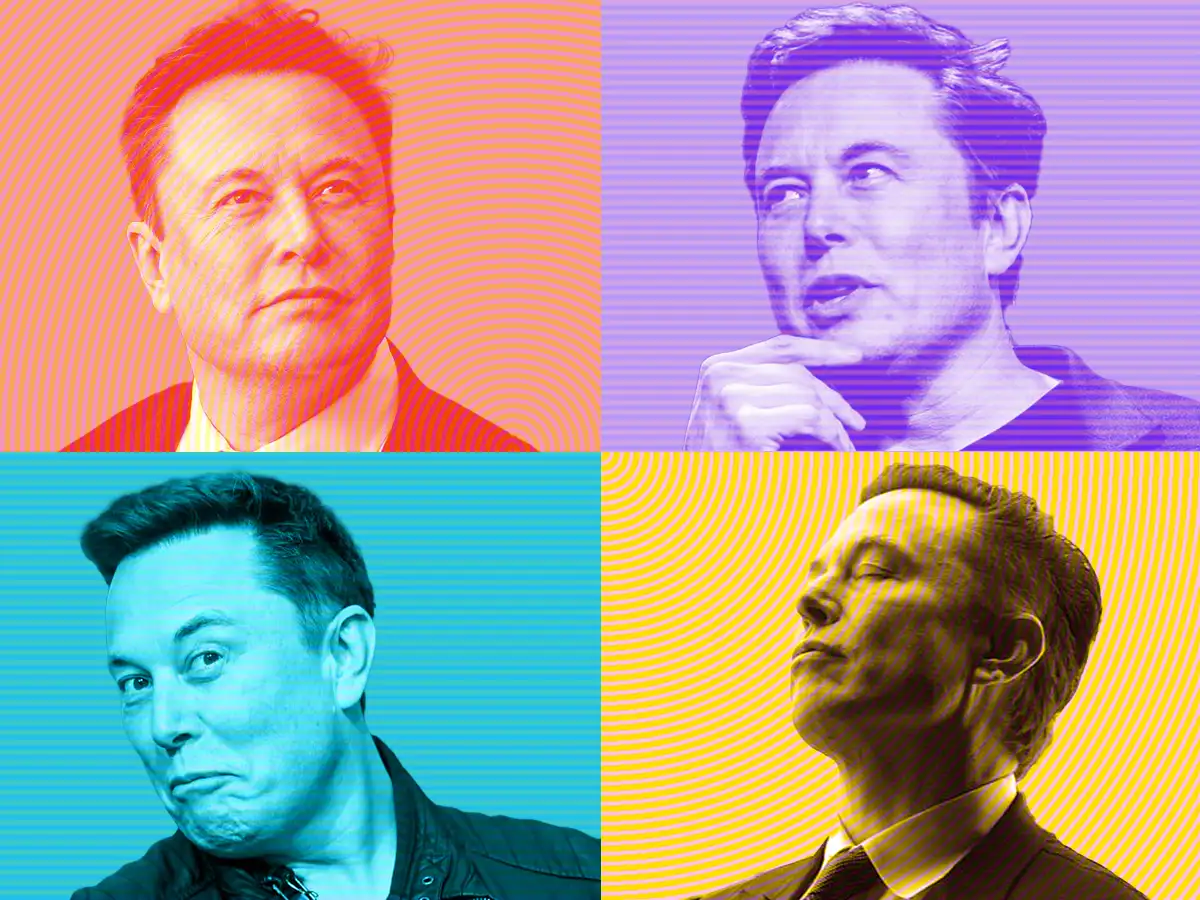
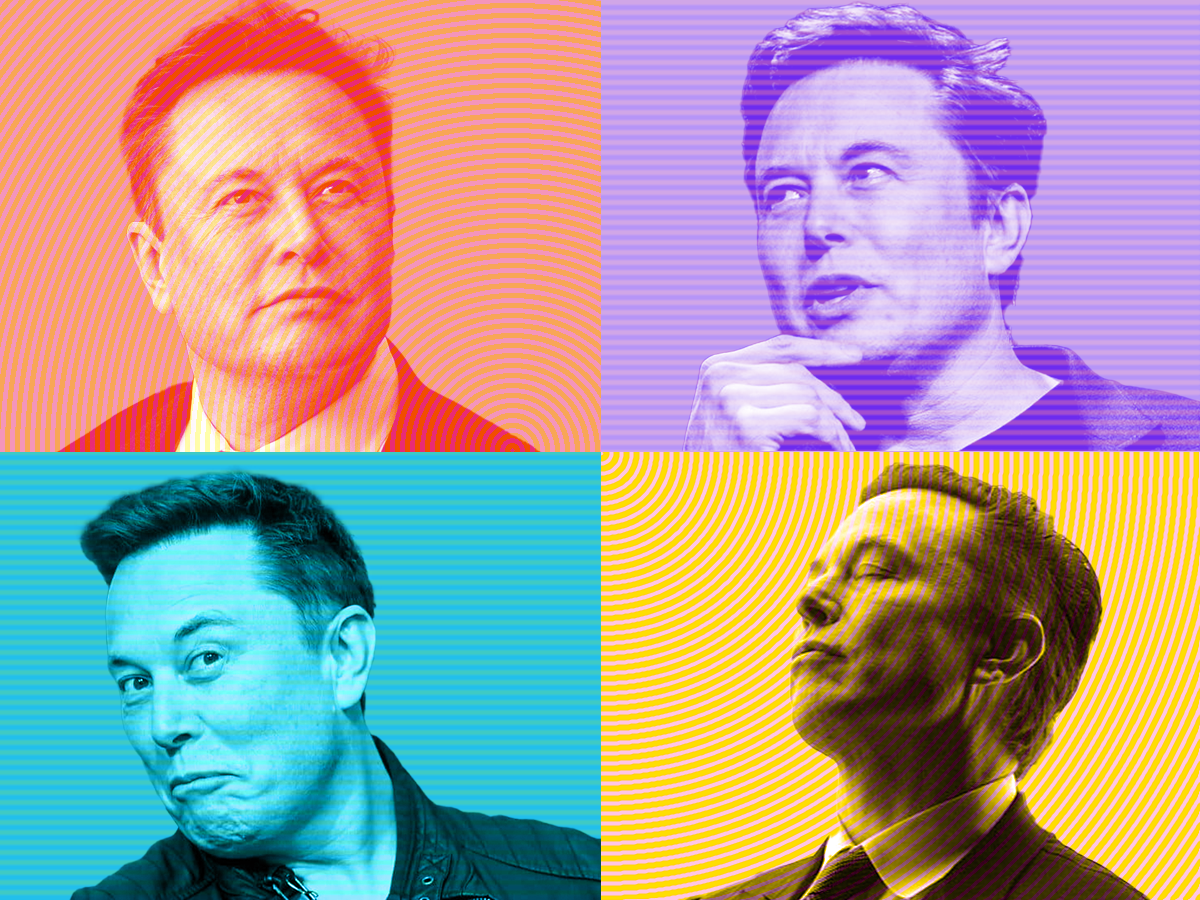
Tesla founder can dissolve Twitter’s board when he takes the company private. If he doesn’t, any board that remains probably won’t have teeth. That’s nothing new in tech, where checks and balances are often passé. Even so, that trend is having increasingly damaging repercussions.
Big Tech founders like Mark Zuckerberg and Alphabet Inc.’s Sergey Brin and Larry Page have fashioned themselves as modern-day autocrats of business, thanks to the way they have structured their initial public offerings and voting shares over the past decade.
Zuckerberg owns the majority of Meta Platform Inc.’s voting shares, while billionaires Brin and Page control 51% of a special class of voting shares of Alphabet, giving them ultimate control of Google and YouTube. This dual-class share structure is unusual in business but common in the tech world, thought to give startup founders freedom to execute their long-term vision. The founders of Airbnb Inc. and Snap Inc. both have about 44% voting control of their respective companies thanks to dual-class structures. And while Musk owns just 20% of Tesla Inc., his board is stacked with longtime friends like Larry Ellison and Kimbal Musk, Elon Musk’s brother. Zuckerberg’s board also has largely done his bidding over the years.
All of this runs counter to modern ideas of corporate governance, which hold that strict accountability is a good thing. Without those checks, tech leaders are free to make capricious decisions, according to David Yoffie, a leadership professor at Harvard Business School, who spent close to three decades on the board of Intel Corp.
Sometimes, those decisions can be good for business. For instance, when Mark Zuckerberg bought Instagram for $1 billion in 2012, the tiny target had no revenue — and he didn’t ask his board for permission. Seven years later Instagram was contributing $20 billion to Facebook’s annual sales.
But look at it another way. Multiple studies have shown that the rise of Instagram, under Zuckerberg’s stewardship, has correlated with higher rates of depression, anxiety and suicide among teenagers and teen girls in particular. The site has made oodles of money but also caused psychological damage to children and adults, which Facebook’s own research has corroborated.
Long-term, shareholders, too, can suffer from unfettered control. Zuckerberg steered Facebook into obsessively chasing an abstract business goal with the metaverse. While the initiative might eventually bear fruit, for now the move has already cost the company $10 billion. Meta’s stock has dropped 40% since the start of this year. Why isn’t he reshaping Facebook into a safer website that can thrive for years to come? Because no one, either from his team of sycophantic lieutenants or his deferential board, has pushed him to.
Musk’s move on Twitter also is hard to square with the concept of fiduciary responsibility. He doesn’t want to buy Twitter to make it a better business — “I don’t care about the economics at all,” he recently said — but to realize his ideas about free speech. Now Tesla’s shareholders are paying the price. As Musk borrowed more than $25 billion against Tesla as collateral, the carmaker’s shares have lost almost a quarter of their value in the past three weeks. If Musk sells part of his stake to keep supporting his personal agenda, that will depress the share price even more.
Maybe it’s just hard to remember your obligations to make money when you’re a billionaire. Maybe when you’re in an industry that idolizes visionaries, it’s easy to get lured into chasing the realization of your ideological or futuristic worldview. Maybe the billionaires who control today’s social media platforms actually need stricter checks and balances.
That’s certainly doable. Dual-class listings could eventually be phased out, as many institutional investors have already called for, but structural changes can take years. Regulators, meanwhile, have been talking tough, but they are also easily ignored by the likes of Musk. He has thumbed his nose at the SEC multiple times and will likely skirt the European social media laws that threaten, in theory, to disrupt his free speech plans.
For better or worse, the clearest remedy right now is other billionaires. The biggest impact on Facebook’s unscrupulous data-collection practices to date has come from Apple Inc., helmed by billionaire Tim Cook, when it allowed customers to block Zuckerberg’s company from tracking them. ByteDance, run for years by billionaire Zhang Yiming, also threatens to lure users of Facebook and Musk’s Twitter away with its highly addictive TikTok app.
That is not how things should be, but in a world where social media is being shaped by freewheeling billionaires, their rivals may be our only hope.
[ad_2]
Source link



Ответственная игра — это комплекс правил, направленных на сохранение баланса над игровым процессом.
Эта концепция основная суть заключается в добровольном лимитировании времени и денег на сессии.
Участнику рекомендуется предварительно определить максимальную сумму и строго придерживаться этого лимита.
https://pilot-club.ru/info/2026-06-24-tulskiy-predprinimatel-poluchil-predosterezhenie-za-otsutstvie-ucheta-skota/
Сайты обязаны предлагать инструменты проверки: паузы, ограничения пополнений и опросники.
Ключевой аспект — относиться к процессу исключительно как к досугу, а не способу дохода.
В случае возникновении симптомов проблемного поведения (погоня за проигрышем) необходимо использовать самоисключение или обратиться за помощью к психологам.
Следование этих установок гарантирует защиту психики и финансовую стабильность, а главное — сохраняет интерес в безопасных рамках.
Осознанный гемблинг — это подход к игровым развлечениям, основанный на контроле и осознании последствий.
Эта концепция включает осознанное лимитирование продолжительности и расходов на процесс.
Любой игрок обязан заранее устанавливать пределы потерь и неукоснительно их придерживаться.
https://nashipesni.ru/pub/2026-07-09-tramp-gotov-vvesti-bespoletnuyu-zonu-nad-ukrainoy-pri-narushenii-rossiey-mirnykh-dogovoryonnostey/
Ответственная игра — это подход к азартным сессиям, основанный на контроле и осознании последствий.
Эта концепция предполагает добровольное ограничение времени и денег на процесс.
Каждый участник обязан заранее определять лимиты потерь и неукоснительно их соблюдать.
https://sorrybabushka.ru/interesting/506-chonguk-iz-bts-stanovitsya-globalnym-poslom-yuvelirnogo-doma-graff.html
Prudent betting is a collection of principles that ensure betting remains a form of entertainment instead of a means of financial strain.
Key aspects include setting individual limits on duration and money spent, as well as recognising the indicators of harmful behaviour.
In essence, responsible gambling promotes conscious choices and supports players to keep control over their gaming activities.
https://sorrybabushka.ru/interesting/478-kak-vyyavit-skrytuyu-allergiyu-na-plesen-v-bytovykh-priborakh.html
Разумное отношение к азарту — это стратегия к казино, основанный на самоограничении и понимании последствий.
Она подразумевает добровольное лимитирование продолжительности и расходов на игру.
Любой игрок обязан предварительно устанавливать пределы ставок и строго их соблюдать.
https://nashipesni.ru/pub/2026-06-30-sluzhba-sotsfonda-v-zavolzhe-pereezzhaet-v-novoe-pomeshchenie/
Осознанный подход к гемблингу — это стиль поведения, при которой игры являются способом досуга, а не стремлением поправить финансовое положение.
Такой подход базируется на управлении временем и бюджетом, а ещё на осознании своих границ.
https://rosotels.ru/detail/2026-07-09-kak-pogasit-kredit-bystro-prakticheskie-rekomendatsii.htm
Responsible gambling is a collection of principles that ensure betting remains a recreational activity rather than a source of stress or loss.
It involves setting personal limits on duration and wagers, as well as being aware of the indicators of harmful behaviour.
In essence, this approach encourages informed choices and supports players to maintain balance over their playing activities.
https://omskapteka.ru/info/455-rich-casino-vs-competitors-a-comparative-analysis.htm
Разумное отношение к азарту — это стратегия к игровым развлечениям, базирующийся на контроле и осознании рисков.
Эта концепция включает добровольное лимитирование продолжительности и денег на игру.
Любой игрок должен заранее определять лимиты потерь и строго их соблюдать.
https://fashionista.fashionablelook.ru/FC5OCcLKoYSW/
Responsible gambling is a set of principles that guarantee betting remains a form of entertainment instead of a source of financial strain.
Key aspects include establishing individual limits on time and wagers, as well as being aware of the indicators of harmful behaviour.
Ultimately, responsible gambling encourages informed decisions and supports users to keep balance over their gaming activities.
https://ipcfms.ru/read/371-tragediya-na-elektromontazhakh-v-saratove-kommersant-iz-samoylovskogo-rayona-predstayot-v-sude.html
Осознанный гемблинг — это стратегия к казино, основанный на самоограничении и осознании последствий.
Она включает добровольное лимитирование времени и бюджета на игру.
Каждый участник должен предварительно определять лимиты потерь и неукоснительно их соблюдать.
https://foodlover.km-moda.ru/BR3nArpLC9dr/
Кроссовки Dolce&Gabbana — это безупречный союз изысканной классики и новейших веяний.
Главной особенностью подобных пар считается запоминающийся дизайн с использованием премиальных сырья и узнаваемой отделки.
Эти кроссовки отлично сочетаются для повседневной эксплуатации, привнося в образ нотку шика.
https://dvery35.ru/article/4531-istoriya-poyavleniya-krossovok-dolce-and-gabbana-ot-runway-do-ulits.html
Кеды бренда — представляют собой стильный союз изысканной элегантности и современных веяний.
Отличительной деталью подобных пар служит броский внешний вид с использованием качественных тканей и культовой отделки.
Они великолепно подходят для городской эксплуатации, добавляя в стиль штрих гламура.
https://wolgograd.ru/column/2782-kak-sobrat-idealnyy-nabor-dlya-open-eyr-festivalya-10-obyazatelnykh-veshchey/
Кроссовки Dolce&Gabbana — представляют собой идеальный союз неповторимой классики и актуальных направлений.
Ключевой особенностью этих пар считается броский внешний вид с использованием качественных материалов и фирменной детализации.
Они прекрасно сочетаются для повседневной эксплуатации, привнося в стиль долю роскоши.
https://e-transavto.ru/read/kogda-otpusk-okupaetsya-luchshe-vsego-samye-pribylnye-mesyatsy-do-kontsa-2026-goda-490/
Осознанный подход к гемблингу — это выбор, при которой игры служат способом отдыха, а не средством поправить финансовое положение.
Такой подход строится на управлении временем и расходами, а ещё на понимании своих границ.
https://kart1na.ru/entry/351-obzor-materialov-i-tekhnologiy-dolce-and-gabbana-v-krossovkakh-2024-goda/
Конторы предоставляют шанс делать ставки на различные турниры.
Следует выбирать лицензированных операторов, а также тщательно изучать кэфы до оформлением пари.
Беттинг способны стать интересным досугом, однако стоит соблюдать принципы осознанного подхода и контролировать бюджет.
https://spaceblog.gucci1.ru/GqcOPlB7RO6T/
Онлайн-слоты — являются одни из самых известные игры в гемблинг-индустрии.
У них главное преимущество — несложные правила, красочная графика и разнообразие дополнительных возможностей.
Пользователи могут подбирать автоматы по тематике, количеству барабанов и уровню волатильности.
https://labdiz.ru/full/515-sedobnaya-zashchita-iz-tykvennoy-kozhury-kak-yaponskie-uchyonye-prevratili-pishchevye-otkhody-v-super-plenku.htm
הפלטפורמה hasfaniyot.net מעניק מבחר רחב של תכנים המיועדים לקהל הישראלי.
בפלטפורמה תוכלי להכיר תכנים מגוונים בנושא המבוגרים ברמה מעולה.
הפלטפורמה מאפשר גישה פשוטה לשירותים אלו באמצעות הקפדה על אנונימיות המשתמש.
https://hasfaniyot.net/
На представленном веб-сайте можно почерпнуть немало практичной материалов.
https://beer-logic.ru/publication/673-plamya-nad-matveevo-kurganskim-rayonom-evakuatsiya-posle-udara-dronov-po-toplivnomu-skladu.html
Здесь сайте есть возможность найти много полезной информации.
https://sorrybabushka.ru/interesting/546-etoy-letom-luchshie-modnitsy-vnov-vybirayut-raffiyu-ot-saint-laurent.html
A generic pharmaceutical is a formulation that is created to be equivalent a original drug in potency, quality, and performance.
This product includes the same active ingredient as the reference drug, yet may differ in fillers and price.
For approval, a copy must demonstrate bioequivalence to the innovator medicine, ensuring it is equally safe and effective.
how to reduce modafinil anxiety
На нашем сайте вы сможете выбрать квартиру в Турции.
На сайте (аренда квартиры в Анталии) размещены множество объекты для аренды недвижимости в Турции.
Представленный портал даст возможность найти съемное жилье в Турции.
На нашем портале легко почерпнуть много полезной знаний.
https://1-mk.ru/detail/507-otravlenie-v-otpuske-kak-raspoznat-ugrozu-kogda-vyzvat-vracha-i-kakie-mery-predostorozhnosti-stoit-prinyat/
На представленном сайте есть возможность отыскать обилие нужной материалов.
https://sofiamoda.ru/style/2026-07-25-kak-otlichit-poddelku-ot-originala-klyuchevye-priznaki-podlinnykh-sumok-jimmy-choo/
Online gaming offer participants an wonderful method to socialize and unwind with peers everywhere.
https://zhkhtv.ru/read-full/1616-spinning-threads-of-fortune-how-random-number-generators-power-online-slot-games.html
Грузовые перевозки осуществляют важнейшую функцию в бизнесе любой страны.
Такие перевозки обеспечивают непрерывное пополнение складов и производств всеми необходимыми продукцией.
Качественная логистика позволяет снижать сроки и затраты на транспортировку продукции, что увеличивает рыночные позиции фирм.
В итоге, транспортная отрасль представляют собой неотъемлемым компонентом современной экономической системы.
https://perevozimgruz.by/perevozka-motoczikla-belarus-rossiya/
Здесь ресурсе можно отыскать обилие ценной материалов.
https://sofiamoda.ru/
Ежегодный осмотр автомобиля является важной мерой для сохранения безопасности автомобиля.
При диагностики находятся потенциальные дефекты, которые способны вызвать серьёзных поломок на дороге.
Своевременное прохождение техосмотра помогает избежать больших затрат на дорогостоящий восстановление в будущем.
Кроме того исправный автомобиль обеспечивает спокойствие вашу и окружающих на движении.
Техосмотр рядом