[ad_1]
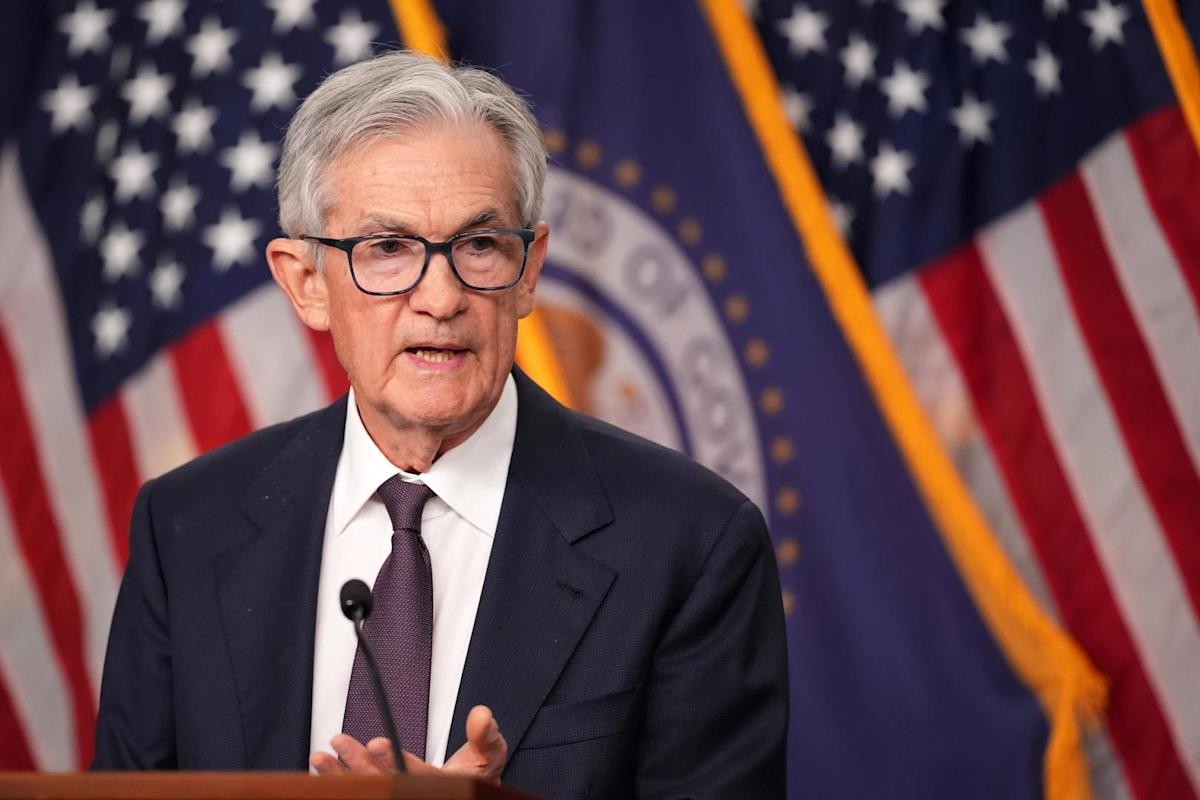
A pervasive calm has taken hold of asset classes as traders look forward to Federal Reserve (Fed) Chairman Jerome Powell’s speech at the annual Jackson Hole Symposium, scheduled for Aug. 21-23.
Bitcoin’s (BTC) 30-day implied volatility, as measured by Volmex’s BVIV and Deribit’s DVOL index, has declined sharply in recent months, hovering near two-year lows of around 36% last week, according to TradingView data.
Similarly, the CME Gold Volatility Index (GVZ), which estimates the expected 30-day volatility of returns for the SPDR Gold Shares ETF (GLD), has more than halved over the past four months, dropping to 15.22%—its lowest level since January.

The MOVE index, which tracks the 30-day implied volatility of Treasury notes, has also declined in recent months, reaching a 3.5-year low of 76%.
Meanwhile, the VIX, widely regarded as Wall Street’s “fear gauge,” fell below 14% last week, down substantially from its early April highs near 45%. A similar vol compression is seen in FX majors such as the EUR/USD.
The pronounced slide in volatility across major assets comes as central banks, particularly the Fed, are expected to deliver rate cuts from restrictive territory, rather than amid a crisis.
“Most major economies are not easing from ultra-low or emergency levels like we saw after the financial crisis or during COVID. They’re cutting from restrictive territory, meaning rates are still high enough to slow growth, and in many cases, real rates, adjusted for inflation, are still positive. That’s a big shift from the last easing cycles, and it changes how the next phase plays out,” pseudonymous observer Endgame Macro noted on X, explaining the bull run in all assets, including cryptocurrencies and stock markets.
According to the CME’s FedWatch tool, the Fed is expected to cut rates by 25 basis points in September, resuming the easing cycle after an eight-month pause. Investment banking giant JPMorgan expects the benchmark borrowing cost to drop to 3.25%-3.5% by the end of the first quarter of 2026, a 100-basis-point decrease from the current 4.25%.
Per some observers, Powell could lay the groundwork for fresh easing during this Jackson Hole speech.
“The path to rate cuts may be uneven, as we have seen over the last two years, where markets have been eager for rate cuts and sometimes disappointed that the Fed has not delivered them. But we believe the direction of travel for rates is likely to remain lower,” Angelo Kourkafas, a senior global investment strategist at Edward Jones, said in a blog post on Friday.
[ad_2]
Source link

