[ad_1]
NEW YORK (AP) — Nexstar Media Group is buying broadcast rival Tegna for $6.2 billion, bringing together two major players in U.S. television and the country’s local news landscape.
If the transaction is approved, Nexstar will pay $22 in cash for each share of Tegna’s outstanding stock. And the regulatory greenlight could be likely under President Donald Trump’s administration, which has long-advocated for loosening industry restrictions.
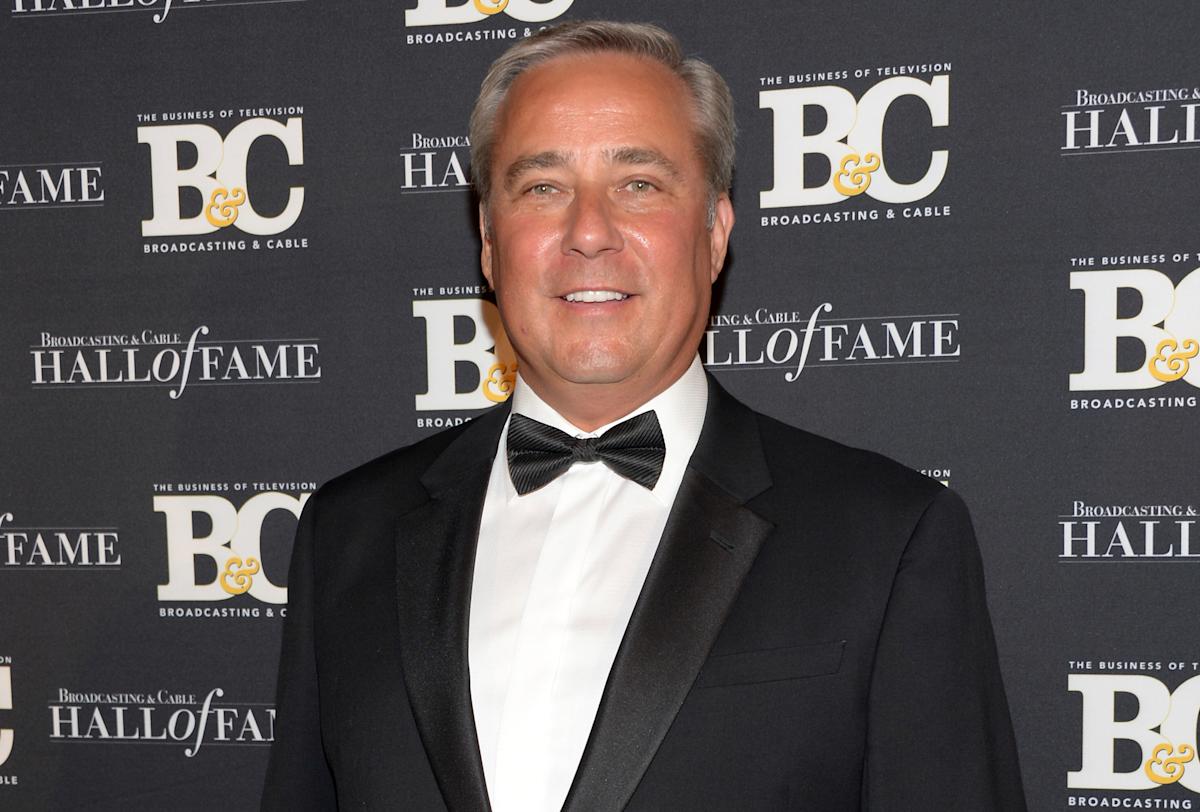
Announcing the proposed merger Tuesday, Nexstar CEO Perry Sook pointed directly to actions being pursued by the Trump administration, which he said “offer local broadcasters the opportunity to expand reach, level the playing field, and compete more effectively with the Big Tech and legacy Big Media companies that have unchecked reach and vast financial resources.” He added that “Tegna represents the best option for Nexstar to act on this opportunity.”
Nexstar oversees more than 200 owned and partner stations in 116 markets nationwide today and also runs networks like The CW and NewsNation. Meanwhile, Tegna owns 64 news stations across 51 markets.
Consolidation would mean pooling together all of these resources — and that typically includes cutting any “redundancies” identified in the process, explained Paul Hardart, director of the entertainment, media and technology program at New York University’s Stern School of Business.
“The good news for Nexstar is that makes it run at a lower cost rate, which they need to do because there’s all these headwinds on the revenue side,” Hardart said. But for local communities that rely on the company’s stations, the bad news is that “there will be a homogenization of content,” he added.
Other experts note that previous consolidation in the industry has already shown this.
Nexstar, founded in 1996, has itself grow substantially with acquisitions over the latest two decades, becoming the biggest operator of local TV stations in the U.S. after it purchased Tribune Media back in 2019. And Danilo Yanich, professor of public policy at the University of Delaware, says the company is the “biggest duplicator” of news content today — pointing to recent research he worked on that looked at how often local TV news used the exact same words in at least 50% on their broadcasts.
Nexstar’s size gives it the most opportunity to syndicate information in this way, Yanich noted, and further duplication seems all but likely as the company looks to “achieve economies of scale,” he added.
Nexstar on Tuesday maintained that the deal will also help it give advertisers a bigger variety of local and national broadcast and digital advertising options.
[ad_2]
Source link