[ad_1]
Amazon (AMZN)’s next big bet on groceries could fortify its dominance in online retail.
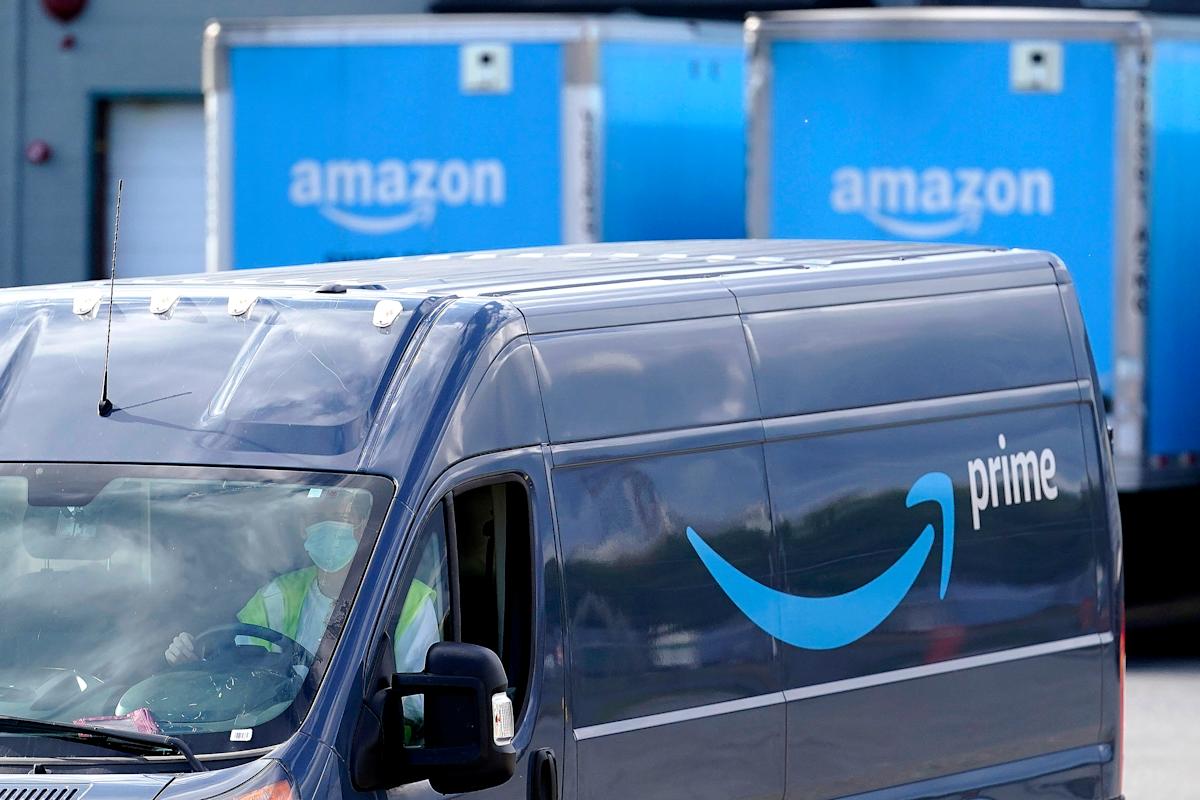
The company said on Wednesday that adding groceries to your same-day delivery order is now available in 1,000 cities, with the goal of reaching 2,300 cities by the end of 2025.
“We believe the expansion of Same-Day delivery for fresh perishable groceries will support Amazon’s continued share gains across US e-commerce despite increased competition,” JPMorgan analyst Doug Anmuth wrote in a new note. His team reiterated the stock as its “Best Idea” and maintained a $265 price target.
This expansion targets a substantial growth opportunity, as groceries account for 43% of US retail sales, with only 15% currently sold online, according to JPMorgan. Amazon’s latest move allows customers to order food alongside other same-day items like electronics and household essentials.
It also offers groceries through Amazon Fresh and Whole Foods. According to JPMorgan, Amazon’s grocery business surpassed $100 billion in gross merchandise value last year, making up around 20% of its US GMV.
Amazon’s move initially sent shockwaves through the sector, with shares of Walmart (WMT), Costco (COST), Kroger (KR), Albertsons (ACI), and BJ’s Wholesale Club (BJ) all slipping in the single digits on Wednesday. The stocks were in the green on Thursday morning.
Delivery players like DoorDash (DASH) and Instacart’s parent, Maplebear (CART), fell 4% and 11%, respectively, and dropped again on Thursday. Meanwhile, Amazon’s stock has gained 3.5% since the announcement.
JPMorgan said Amazon’s grocery blitz could significantly widen its lead in US e-commerce. The strategy may build strong Prime appeal, drive higher purchase frequency, increase ad revenue, and pressure legacy grocers to rethink pricing and delivery fees.
The firm notes that Amazon has been cutting costs by building out same-day facilities, placing inventory closer to customers, and deploying more robotics and automation. These efficiencies, combined with Amazon’s pricing and scale advantages, could allow the company to grow its grocery business without the profit drag typically associated with fresh food delivery.
More grocery customers also means more opportunities for Amazon to sell ads — a business that grew 22% year over year in Q2. As more brands fight for visibility on Amazon’s platforms, JPMorgan expects advertising revenue to rise further.
In a separate note, Evercore analyst Michael Montani said the move could push mass players such as Kroger and Albertsons to change their delivery strategies, potentially reducing or eliminating fees over time.
[ad_2]
Source link